
In this guide
→ Conditions you already had→ Anything you could already see coming→ The evening that got out of hand→ Sport that the policy calls something else→ Belongings, and the word unattended→ Treatment you chose, and work you did not mention→ How to find your own line before you need it
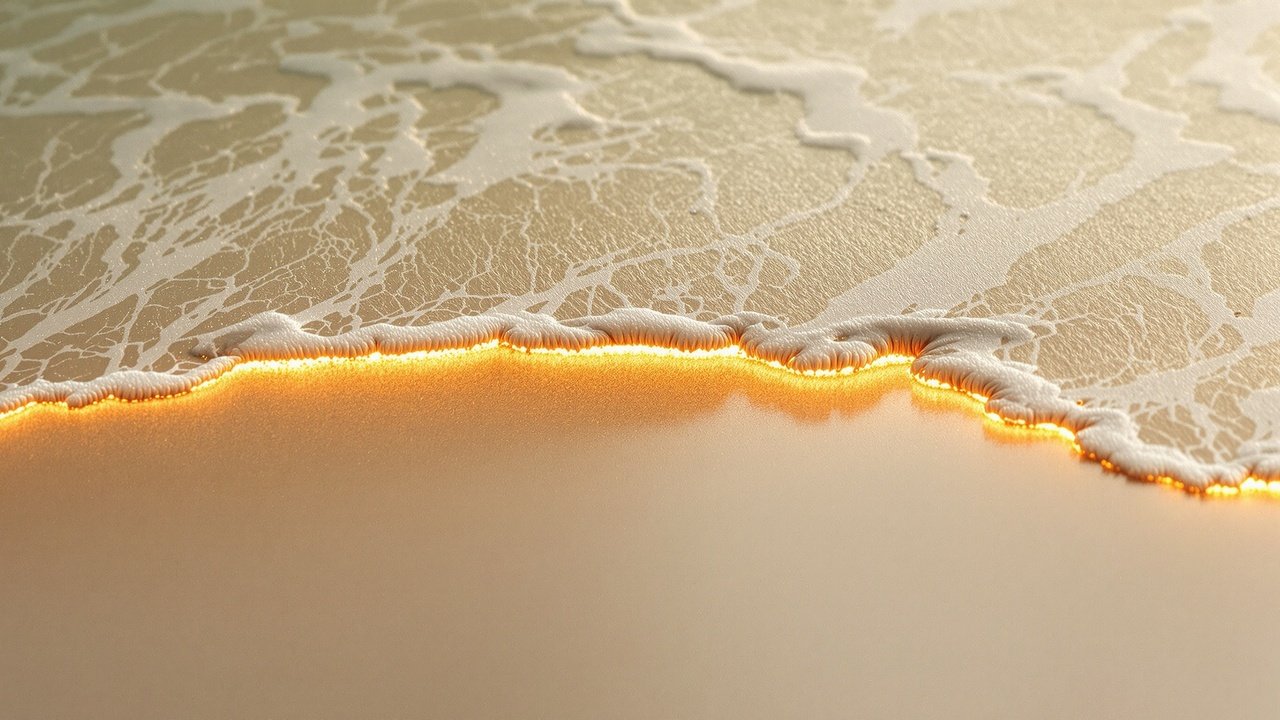
Walk a beach in the morning and you can read exactly how far the water came in the night. There is a line of darker sand, a little weed, and above it everything is dry and untouched. A policy has the same line. Everything below it belongs to the insurer, everything above it belongs to you, and almost nobody looks for the line until they are standing on the wrong side of it with a bill in their hand.
The useful thing about that line is how predictable it is. Declined claims are rarely exotic. They cluster into a handful of exclusions that appear in nearly every policy sold in Europe, and every one of them can be checked before you leave.
Conditions you already had
This is the single biggest source of refusals. Policies ask about medical history over a look-back period, and anything treated, investigated or prescribed for in that window counts, whether or not you consider yourself unwell. A knee that was scanned last spring is a declared condition. So is a blood pressure prescription you have taken for years without a thought.
Undeclared conditions do not simply lose you cover for that condition. Insurers can treat the whole claim as invalid, which is how a stomach problem in Split ends up unpaid because of a heart medication that was never mentioned. Declare it, accept the loading or the exclusion in writing, and you will at least know where the line sits.
Anything you could already see coming
Insurance covers the unexpected, and the moment something becomes expected it stops being insurable. Once a storm has been named, cover for that storm closes. Once a government advises against travel to a region, trips into that region fall outside most policies. Buying on the day the news breaks is too late; the cover for a trip is priced against what was knowable when you bought it.
The same logic governs strikes and airline failures that were already announced, and it is why buying a policy at the same time as the flight, rather than the week before departure, quietly matters. Cancellation cover starts on the day you buy it, not the day you fly.
The evening that got out of hand
Nearly every policy excludes injury sustained while under the influence of alcohol or recreational drugs. That is not aimed at a glass of wine with dinner, but a fall on stairs after a long night is a common and commonly declined claim, and hospitals record what they observe. The same clause covers anything that happened while breaking the law, including riding a scooter without the licence category your home country requires or without a helmet where one is mandatory.
Sport that the policy calls something else
Standard cover assumes a fairly quiet holiday. Skiing, diving, climbing, motorcycling and even some organised hiking above a certain altitude sit outside it unless you add a sports or adventure extension. The definitions matter more than the labels: one policy will treat a via ferrata as hiking, another as mountaineering, and the difference is the entire claim. This is exactly the point at which reading a specific wording pays, and where a provider like Explorer Travel Insurance is worth comparing on its activity list rather than on its headline price.
Belongings, and the word unattended
Theft cover is narrower than most people expect. A bag left on a beach towel while you swim is unattended. A camera on the seat of a locked car is often excluded outright, or covered only from a locked boot during daylight. Most policies also carry a single item limit well below the value of a laptop or a good lens, so the expensive things need their own listing or a separate policy.
Claims also need evidence that has to be gathered while you are still there: a police report within twenty four hours in most wordings, receipts or bank records, and a written report from the airline for anything lost in transit. Nobody wants to spend an afternoon of a holiday in a police station, and it is still the difference between a paid and an unpaid claim.
Treatment you chose, and work you did not mention
Planned procedures abroad are excluded, including dental work and cosmetic treatment arranged in advance. Routine check-ups and repeat prescriptions are excluded. Pregnancy is covered for complications rather than for ordinary care and delivery, with cut-off weeks that vary widely.
Working while travelling is its own trap. Many standard policies cover leisure travel only, and some define any paid activity as work, while others exclude only manual labour. If your trip includes client meetings or a month of remote work, that needs to be visible in the policy rather than assumed.
How to find your own line before you need it
Open the policy wording, not the summary, and read three sections: the definitions, the general exclusions and the claims conditions. Twenty minutes, once. Then note the assistance number somewhere that works without your phone, because most policies require you to call before non-emergency treatment, and paying first and asking later is a refusal that people bring on themselves.
The line is always there. The only real choice is whether you find it in a quiet moment at home, or in a clinic waiting room in a language you do not speak.
This article is general information, not insurance advice. Plan terms, pricing, coverage and exclusions vary between providers and change over time; confirm current details directly with the provider before you buy.

Marko Jambrek
Licensed architect in Zagreb, 30 years of practice (sustainable design). Reviews and approves every article on this site before publication. Writes about AI tools through a lens of order and long-term value, tests before recommending.
How I vet what I recommend
The 12-point checklist behind every review on this site. Run any “best of” article through it, including mine. Twelve checks, sent once, yours to keep.
This article may contain affiliate links. We may earn a commission if you click through and make a purchase, at no extra cost to you.