
In this guide
→ From Fitness Gadgets to Continuous Diagnostics→ The Metrics That Actually Matter: What to Look For→ The Device Landscape in 2026: What Each Form Factor Does Best→ Continuous Glucose Monitoring: The Next Frontier→ The Traveler’s Evaluation: What Changes on the Road→ Buyer’s Criteria: The Five Questions Worth Asking
From Fitness Gadgets to Continuous Diagnostics
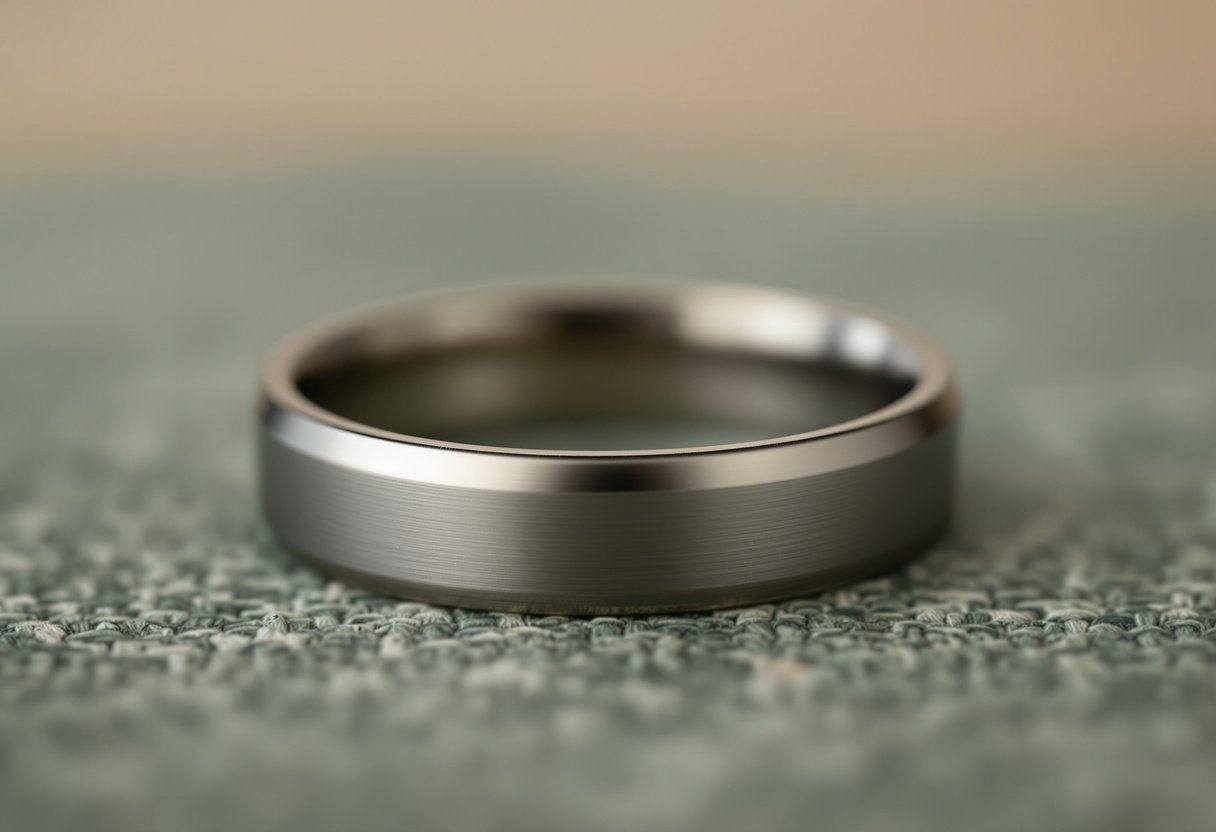
The matte titanium ring capturing a pulse line: the evolution of health monitoring has moved from clinical settings into wearable form factors that fit on a finger. The first generation of consumer wearables counted steps and estimated calories, useful for motivating movement but not particularly informative about health status. The current generation measures biomarkers that were previously accessible only in clinical environments: heart rate variability, blood oxygen saturation, skin temperature, respiratory rate, and in emerging devices, blood glucose levels without a needle.
This isn’t incremental progress. It’s a category change. A wearable that continuously monitors HRV, sleep stages, resting heart rate trends, and skin temperature provides enough information to detect overtraining syndrome, early infection, autonomic nervous system stress, and circadian disruption, conditions that a single annual physical examination would miss precisely because they require longitudinal continuous data to identify. The AI layer that interprets this data makes it actionable: instead of a raw number that requires medical training to interpret, you get a contextualized insight, “your recovery score is low this morning, likely due to the elevated resting heart rate during sleep; today is not optimal for intense training.”
For travelers, athletes, anyone managing a chronic condition, or simply someone who takes their health seriously as a long-term investment, the question in 2026 is not whether to wear a health monitoring device, the value case is clear. It’s which device best matches your specific health monitoring goals and which metrics provide genuine, clinically meaningful information versus marketing-driven complexity.
The Metrics That Actually Matter: What to Look For
Heart rate variability (HRV) is the single most informative metric available from consumer wearables for overall health and recovery status. HRV measures the variation in time intervals between consecutive heartbeats, not heart rate itself, but the beat-to-beat variance. Higher HRV generally indicates better autonomic nervous system balance, greater cardiovascular fitness, and more physiological resilience; trends downward over days indicate accumulated stress, inadequate recovery, early illness, or overtraining. The important word is “trends”, a single HRV reading is much less meaningful than your baseline range over several weeks and the direction of recent movement.
Resting heart rate (RHR) trending upward over several days, even by 4-5 beats per minute, is a reliable early warning signal for impending illness, accumulated sleep debt, or overtraining. This signal often precedes obvious symptoms by 12-48 hours, creating an actionable window to prioritize recovery before performance is significantly impacted. Multiple studies in elite athlete populations have validated this early-warning function; the same mechanism applies to non-athletes.
Sleep staging accuracy varies by device and should be interpreted with appropriate calibration. Modern consumer wearables with multi-sensor approaches (PPG plus accelerometer plus skin temperature) achieve better sleep stage accuracy than older single-sensor devices, but remain below clinical polysomnography accuracy for specific stage classification. Where consumer sleep tracking is reliably useful: sleep efficiency percentage, total sleep time, sleep continuity, and HRV during sleep as a recovery indicator. Where it’s less reliable: the precise REM or deep sleep percentage figures that some apps display with spurious precision.
Skin temperature tracking is an underappreciated feature that provides sensitive early detection for both illness and hormonal patterns. Basal skin temperature rises measurably, often 0.2-0.5°C, during the early inflammatory phase of infection, sometimes 12-24 hours before subjective symptoms appear. For travelers in high-exposure environments or anyone managing a condition with inflammatory components, this early signal is valuable. The same temperature measurement enables cycle tracking in women and cortisol response monitoring in high-stress periods.
The Device Landscape in 2026: What Each Form Factor Does Best
Ring-based wearables, led by Oura Ring (Generation 4 in 2026), excel at sleep monitoring and passive recovery tracking. The ring form factor provides closer skin contact than a wrist-based device, improving PPG signal quality for HRV and temperature measurement. The ring sits still during sleep in ways that wrist devices don’t, reducing motion artifact. The trade-off is that rings lack the real-time display and active workout tracking features of smartwatches, and require separate phone review for data access. Oura’s AI interpretability layer, providing recovery score, readiness score, and specific actionable insights rather than raw data, is among the most sophisticated in consumer wearables.
Smartwatches, Apple Watch Series 10, Garmin Fenix 8, and Samsung Galaxy Watch 7 representing the current tier, provide continuous monitoring with the addition of real-time access, ECG capability (clinically validated for AFib detection), blood oxygen spot checks, and comprehensive workout tracking. Apple Watch’s irregular heart rhythm notification feature has documented real-world clinical value, with published case series of AFib detections in people with no prior cardiac history. For health monitoring that includes cardiovascular screening alongside recovery and sleep tracking, the best smartwatches provide the most comprehensive feature set. AI-powered health monitoring wearables from the leading manufacturers provide detailed specification comparisons and current model information that helps match device features to your specific monitoring goals.
Continuous monitoring bands, Whoop 5.0 being the primary example, focus intensively on recovery and strain quantification for athletes and high-performance users. Whoop’s approach (subscription-based, no display, continuous 24/7 data collection) produces exceptionally clean longitudinal data that improves in accuracy as the AI learns your individual baseline. The Whoop ecosystem is best suited for users whose primary interest is optimizing training and recovery, rather than general health monitoring with diverse features.
Continuous Glucose Monitoring: The Next Frontier
Continuous glucose monitoring (CGM), monitoring blood glucose levels in real time rather than through finger-stick spot checks, has moved from a diabetes management tool into consumer wellness. Companies including Abbott (Lingo), Supersapiens, and Levels Health have brought CGM to non-diabetic users seeking metabolic insight. The data produced, how your glucose responds to specific foods, what your post-meal glucose curve looks like, how exercise and sleep affect metabolic function, provides personalized nutritional information that no diet app or food log can replicate.
The clinical and scientific picture for CGM in non-diabetic populations is still developing. Interpretation standards calibrated for diabetic monitoring don’t directly translate to metabolic optimization for healthy individuals. The primary validated use cases for healthy users are: identifying individual glycemic responses to specific foods (which are more variable across individuals than population averages suggest), optimizing carbohydrate timing around exercise, and identifying the specific sleep-glucose relationship that affects cognitive performance the following day. These are genuine insights that produce behavioral changes with documented health benefits.
CGM is not yet integrated into most wrist-based wearables as a standard feature, current CGM devices are typically patch-based sensors worn on the upper arm, with data transmitted to an app. Integration into unified monitoring platforms is the near-term development that will make CGM data most useful alongside HRV, sleep, and activity data for comprehensive metabolic monitoring.
The Traveler’s Evaluation: What Changes on the Road
Health monitoring during travel requires device qualities that matter less in stable home environments: battery life sufficient for continuous monitoring without daily charging, durability across varied climates and activity types, and data export capability that allows sharing with medical providers in different countries if needed.
Battery life is genuinely limiting for some monitoring use cases. Tracking jet lag recovery requires continuous data collection through the entire adjustment period, 3-7 days, without gaps from required charging. Devices requiring daily charging miss data during the charging window, often overnight when sleep HRV data is most informative. Oura Ring (4-7 day battery), Whoop (any duration with the charging attachment), and Garmin Endurance models (multi-day) handle extended continuous monitoring better than Apple Watch (18-36 hour battery requiring daily charging).
For travel specifically, the combination of a ring-based device for sleep and recovery monitoring plus a minimal smartwatch for real-time access and GPS covers most use cases without the compromise that any single device requires. This two-device approach isn’t necessary for most users, but for those whose work or health management depends on continuous high-quality biometric data, it eliminates the tracking gaps that single-device approaches create. Health monitoring devices designed for travel durability and long battery life with detailed specs by use case allow informed selection before committing to a device category.
Buyer’s Criteria: The Five Questions Worth Asking
Before purchasing a health monitoring wearable, the framework that produces better decisions than spec comparison: First, what health problem are you trying to solve, recovery optimization, sleep improvement, cardiovascular screening, metabolic monitoring, or general health awareness? Each use case has a different best device. Second, what’s the quality of the data interpretation layer, does the device explain why it generated a reading or only what the reading was? Third, does the data integrate with your other health tools, your healthcare provider’s systems, and any specialist platforms you use? Fourth, what’s the realistic battery life for continuous use, including through sleep? Fifth, is the health claim the device makes supported by clinical validation studies for the specific population you represent, or is it extrapolated from lab conditions?
Devices that clearly answer all five questions before purchase are devices whose manufacturers are confident in their actual health monitoring value. Devices that are evasive about clinical validation, data export, or integration tend to be building a data moat rather than delivering genuinely useful health information, a distinction worth making before spending several hundred euros on equipment you’ll wear daily for years.

Marko Jambrek
Licensed architect in Zagreb, 30 years of practice (sustainable design). Writes about AI tools through a lens of order and long-term value, tests before recommending.
How I vet what I recommend
The 12-point checklist behind every review on this site. Run any “best of” article through it, including mine. Twelve checks, sent once, yours to keep.
This article may contain affiliate links. We may earn a commission if you click through and make a purchase, at no extra cost to you.